


Phonics Class for Kids in Singapore: What to Look For and Why It’s More Than Just Reading
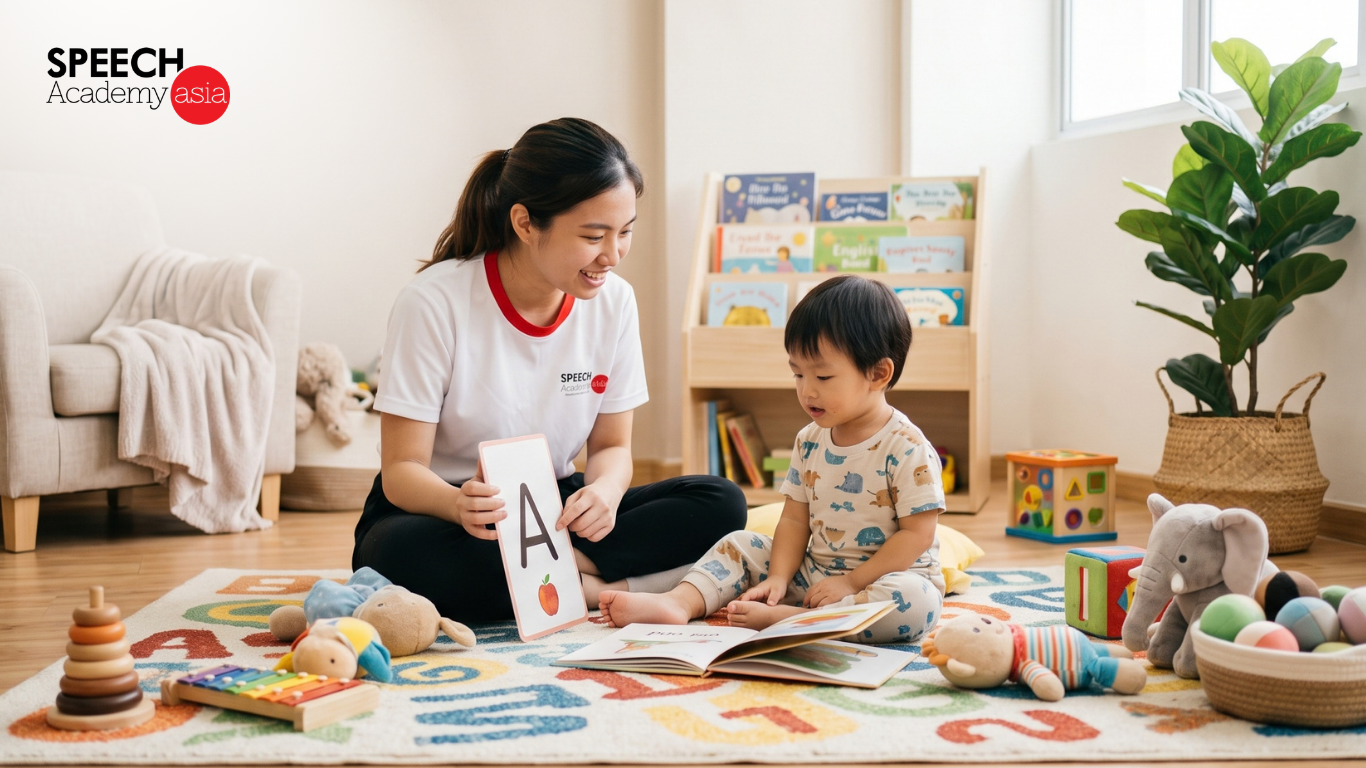
“He can recognise letters, but he still guesses at words instead of sounding them out.” Most parents looking for a phonics class for kids in Singapore are describing some version of this. Their child is close, but hasn’t quite made the connection between the letters on a page and the sounds that build a word.
Phonics is exactly that missing link. This guide covers what a proper phonics class actually involves, what to look for when choosing one, and why the strongest phonics programmes do more than teach reading, they also build the confidence to read out loud.
What Is Phonics, and Why Does It Matter?
Phonics is a method of teaching children to read by connecting sounds (phonemes) to the letters or letter groups (graphemes) that represent them. Instead of memorising whole words by sight, children learn to break a word down into its sounds, then blend those sounds together to read it, a skill they can then apply to any new word they encounter.
This matters because it changes reading from a memory exercise into a skill a child can use independently. According to research on phonics instruction, most words a young child encounters in print are actually unfamiliar to them, so being able to sound out an unknown word, rather than relying on memorised sight words alone, is what makes a child a genuinely independent reader rather than one who’s memorised a fixed set of books.
What a Good Phonics Class Should Include
Not every programme that uses the word “phonics” teaches it the same way. Here’s what to check:
- A systematic, structured approach. Sounds and letter combinations should be introduced in a clear sequence, not randomly.
- Blending and segmenting practice. Your child should be actively combining sounds into words, and breaking words back into sounds, not just naming letters.
- Multi-sensory activities. Songs, movement, visuals and hands-on materials help young children absorb sound patterns more naturally than worksheets alone.
- Small class sizes. Phonics is a skill that needs individual correction, a trainer needs to actually hear each child sound out words.
- A path beyond decoding. The best programmes connect phonics to real reading confidence, comprehension, and eventually reading aloud, not just isolated sound drills.
Why Phonics and Oral Confidence Should Be Taught Together
Most phonics programmes stop at decoding: your child learns to read the word correctly, and that’s the end goal. Fewer connect that skill to something just as important: the confidence to read and speak those words out loud, clearly, in front of others.
This is where a phonics class tied to a broader communication programme has a real advantage. A child who can decode a word silently but freezes when asked to read it aloud in class hasn’t fully closed the gap. Building tonality, pacing and vocal clarity alongside phonics means a child isn’t just learning to read, they’re learning to be heard.
Inside Speech Academy Asia’s Phonics Class
Speech Academy Asia’s phonics programme is built as a multi-sensory, synthetic phonics course, meaning children learn to decode and encode words together rather than treating reading and spelling as separate skills.
- Pronunciation clarity: children are taught small groups of letter sounds, building the ability to blend sounds when reading and segment them when spelling.
- Phonetic skills: the programme focuses on coding and decoding words, so reading and spelling develop side by side.
- Tonality training: children learn to read with varying pitch, pace and volume, turning flat, hesitant reading into expressive, confident delivery.
- Confidence on stage: rather than stopping at silent reading fluency, students are given the chance to read and recite in front of their class, connecting phonics directly to SAA’s public speaking methodology.
- Language Memory Programming Semantics™ (LMPS™): the same memory and visualisation techniques SAA uses in its public speaking curriculum are woven into the phonics programme, helping children recall and deliver what they read with more ease.
This combination, literacy skills built alongside oral confidence, is what distinguishes SAA’s approach from phonics programmes that focus purely on decoding and spelling.
Frequently Asked Questions
At what age should a child start phonics class?
Phonics is typically introduced from around preschool age, once a child is starting to recognise letters, through to early primary school as they build reading fluency. The right starting point depends on the individual child’s readiness rather than age alone.
How is phonics different from just learning to read?
Phonics is a specific method for teaching reading, it focuses on the relationship between sounds and letters, so a child can sound out new words independently. General reading instruction may rely more on memorising whole words, which doesn’t transfer as well to unfamiliar words later on.
My child can read silently but struggles to read aloud confidently. Will phonics help with that?
Phonics builds the decoding skill needed to read aloud accurately, but confidence in reading aloud also benefits from practice with tonality, pacing and speaking in front of others, which is why a programme that combines phonics with oral confidence training tends to close this gap more completely than phonics instruction alone.
How long does it take to see progress in a phonics class?
Many parents notice improved letter-sound recognition and blending within the first few months of regular classes. Full reading fluency and confident independent reading typically develop over a longer period, as children progress through more complex sound patterns and vocabulary.
Can phonics help if my child is a reluctant reader?
Often, yes. Reluctance to read is sometimes rooted in a child finding decoding difficult or frustrating rather than disliking reading itself. A structured, multi-sensory phonics approach can rebuild that foundation and make reading feel achievable again.
Give Your Child a Confident Start to Reading
The strongest phonics programmes don’t just teach a child to read, they build the confidence to read out loud, clearly and without hesitation.
Explore SAA’s Phonics Class for Kids, built on a multi-sensory synthetic phonics approach that connects reading skills directly to real speaking confidence.
👉 Book a Free Trial Class
📲 Call or WhatsApp: 9061 1715
📍 Visit Us: JEM, 52 Jurong Gateway Road, #06-01, Singapore 608550
📧 Email: info@speechacademyasia.com
Free Trial Registration
Empowering 10,000 Kids and Counting: Boost Your Child’s Confidence and Communication Skills with our Free Trial! Our Public Speaking programme builds vital public speaking and interview skills as well as your child's confidence. Equip your child with the ability to overcome stage fright, present themselves confidently and leave a lasting impression. Investing in these skills early can have immense long-term benefits! Register today!