


DSA Course in Singapore: How to Prepare Your Child for DSA Interviews
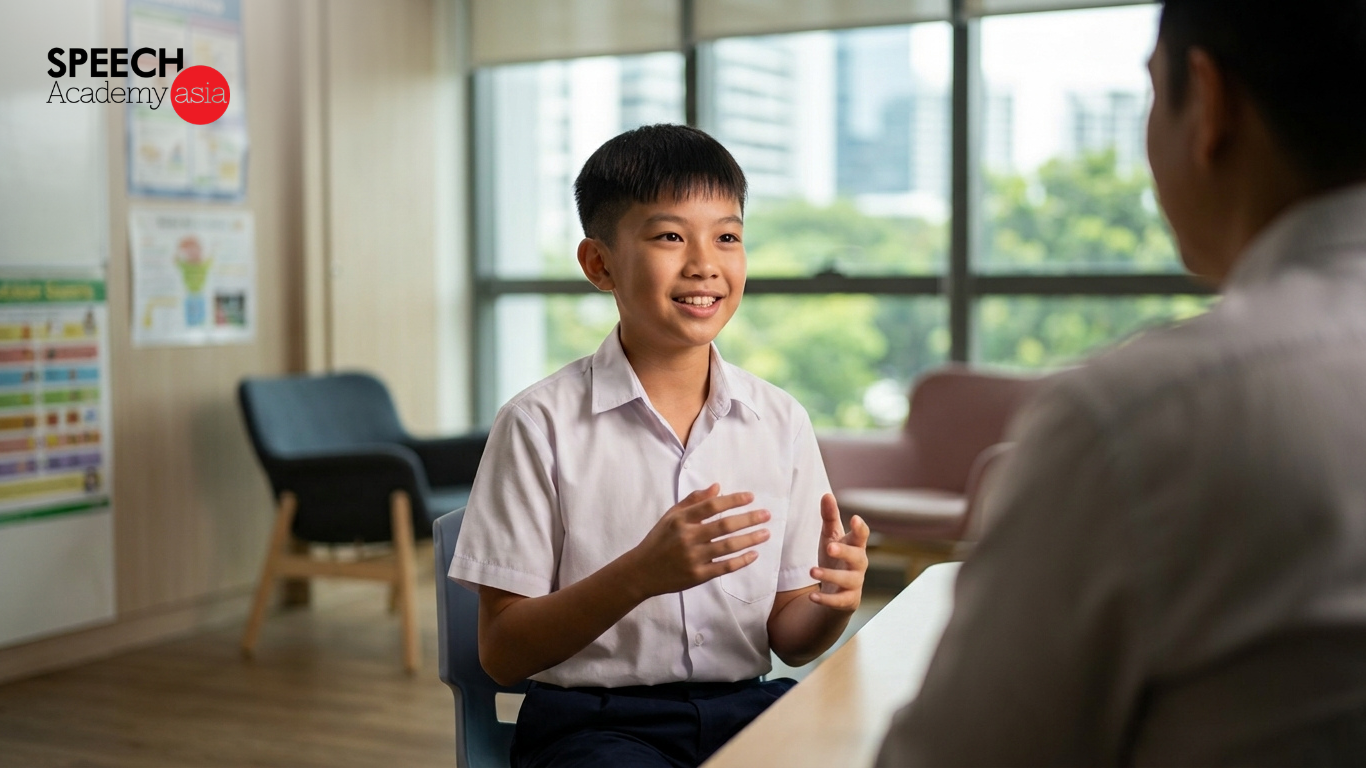
The Direct School Admission (DSA) exercise can be an exciting opportunity for students to showcase their talents, interests and potential. But for many parents, one question remains: How can my child prepare for the DSA interview?
A DSA course can help students develop the communication and thinking skills they need to present themselves with greater confidence. Beyond preparing answers, the right training can help them understand their strengths, express their ideas clearly and respond thoughtfully to questions.
At Speech Academy Asia, we believe that effective DSA preparation is not just about getting through an interview. It is about helping students become more confident communicators.
What Is a DSA Course?
A DSA course is a programme designed to help students prepare for the communication and interview aspects of the Direct School Admission process.
Depending on the programme, preparation may include:
-
Understanding personal strengths and interests
-
Developing clear and structured answers
-
Practising interview questions
-
Improving voice projection and body language
-
Building confidence in group discussions
-
Learning to express ideas and experiences meaningfully
DSA-Secondary allows Primary 6 students to seek admission to participating secondary schools based on specific talents and achievements before taking the PSLE. While academic requirements remain relevant, the process also gives students an opportunity to demonstrate their strengths beyond grades.
Why Consider a DSA Course?
1. Turn Achievements into Meaningful Answers
Your child may have a strong portfolio, but can they explain what those experiences mean to them?
For example, instead of simply saying:
“I joined the school debate club.”
A stronger answer might explain what they learnt from participating, how they contributed to their team or why they want to continue developing their interest.
A DSA course can help students move beyond listing achievements and learn to communicate their experiences with greater clarity.
2. Build Confidence in Speaking
Interviews can feel unfamiliar, especially when students are asked to speak about themselves or respond to questions they have not encountered before.
Public speaking practice can help students become more comfortable expressing their thoughts, speaking clearly and maintaining a confident presence.
The goal is not to make every answer perfect. It is to help students communicate naturally and confidently.
3. Develop Critical Thinking Skills
DSA interviews may involve questions that require students to explain their opinions, reflect on experiences or respond to different situations.
A good DSA course should encourage students to think about why they hold an opinion, not just memorise what to say.
For example:
Question: “What is one challenge you faced?”
A thoughtful response might include:
- What happened?
- How did you respond?
- What did you learn?
- How has the experience shaped you?
This approach helps students organise their thoughts and communicate more meaningful answers.
4. Practise Interview Skills in a Supportive Environment
Many students become more comfortable with interviews when they have opportunities to practise.
Mock interviews and guided feedback can help students identify areas for improvement, such as:
- Speaking too softly
- Giving answers that are too brief
- Struggling to organise their thoughts
- Forgetting to explain their personal experiences
- Finding it difficult to respond to follow-up questions
With practice, students can learn to approach interviews with greater composure.
5. Learn to Communicate with Authenticity
One of the most important parts of DSA preparation is helping students understand that they do not need to sound like someone else.
A strong answer should reflect the student’s own experiences, interests and personality.
For example, a student who enjoys science may talk about a project that sparked their curiosity. A student who enjoys sports may share how they learnt to work with teammates.
The aim is to help students communicate what makes them unique, not give every student the same answer.
What Should You Look for in a DSA Course?
When choosing a DSA course in Singapore, consider whether the programme provides opportunities for students to develop practical communication skills.
A Well-Rounded Programme
Look for a course that covers more than memorising interview answers.
Useful areas may include:
-
Self-awareness: Understanding personal strengths and interests
-
Communication: Expressing ideas clearly
-
Critical thinking: Organising thoughts and explaining opinions
-
Interview practice: Responding to questions with confidence
-
Body language: Developing a confident and appropriate presence
Practical Speaking Opportunities
Students benefit from opportunities to practise speaking, receive feedback and improve.
A course that includes mock interviews, discussions and presentation activities can help students apply what they learn.
Age-Appropriate Guidance
Primary 6 students are still developing their communication skills. Preparation should be encouraging and suitable for their age, rather than making them feel pressured to deliver perfect answers.
The right approach should help students become more comfortable speaking while allowing them to develop their own voice.
How Speech Academy Asia Supports DSA Preparation
At Speech Academy Asia, our 2026 DSA Coaching Programme focuses on helping students prepare for the communication aspects of DSA interviews.
Our programme includes:
-
Narrative Mapping
Helping students organise their experiences into meaningful stories that reflect their strengths and values.
-
Mock Interview Simulations
Giving students opportunities to practise responding to questions in a realistic setting.
-
Vocal Projection and Body Language
Developing a clear voice and confident presence when speaking to others.
-
Critical Thinking Workshops
Helping students structure their thoughts and explain their ideas clearly.
These areas are also highlighted in our existing DSA preparation guide.
When Should Your Child Start a DSA Course?
There is no single ideal starting point for every student. Some children may benefit from beginning earlier to build confidence gradually, while others may prefer more focused preparation closer to the application period.
Starting early can give students more time to develop communication skills naturally. However, the most important consideration is choosing a programme that matches your child’s needs and preparation goals.
Parents should also refer to the Ministry of Education’s official DSA-Secondary information for the latest application details and requirements.
DSA Course vs. Memorising Interview Answers
One common concern is whether students should prepare by memorising answers.
While practising common questions can be useful, memorising every response may make it harder for students to respond naturally when interviewers ask follow-up questions.
A more useful approach is to prepare key experiences and ideas, then practise expressing them in different ways.
For example, a student might prepare a story about:
-
A challenge they overcame
-
A project they enjoyed
-
A time they worked with others
-
A skill they want to develop
-
Why they are interested in a particular talent area
This gives students a foundation to draw from while still allowing them to answer authentically.
Final Thoughts
A DSA course can be a valuable part of your child’s preparation, especially when it focuses on communication, confidence and critical thinking.
The goal is not simply to help students answer interview questions. It is to help them become more comfortable expressing themselves, reflecting on their experiences and communicating their potential.
With the right guidance and practice, students can approach their DSA journey with greater confidence and a clearer understanding of what they want to share.
Looking for a DSA Course in Singapore?
Speech Academy Asia’s 2026 DSA Coaching Programme helps students develop the communication skills needed for DSA interviews and beyond.
-
Build confidence in speaking
-
Practise interview communication
-
Develop critical thinking and self-expression
Learn more about DSA preparation or visit Speech Academy Asia to explore our programmes and find out how we can support your child’s communication journey.
👉 Book a Free Trial Class
📲 Call or WhatsApp: 9061 1715
📍 Visit Us: JEM, 52 Jurong Gateway Road, #06-01, Singapore 608550
📧 Email: info@speechacademyasia.com
Free Trial Registration
Empowering 10,000 Kids and Counting: Boost Your Child’s Confidence and Communication Skills with our Free Trial! Our Public Speaking programme builds vital public speaking and interview skills as well as your child's confidence. Equip your child with the ability to overcome stage fright, present themselves confidently and leave a lasting impression. Investing in these skills early can have immense long-term benefits! Register today!