


Communication Skills: Why They Matter for Children and How to Develop Them
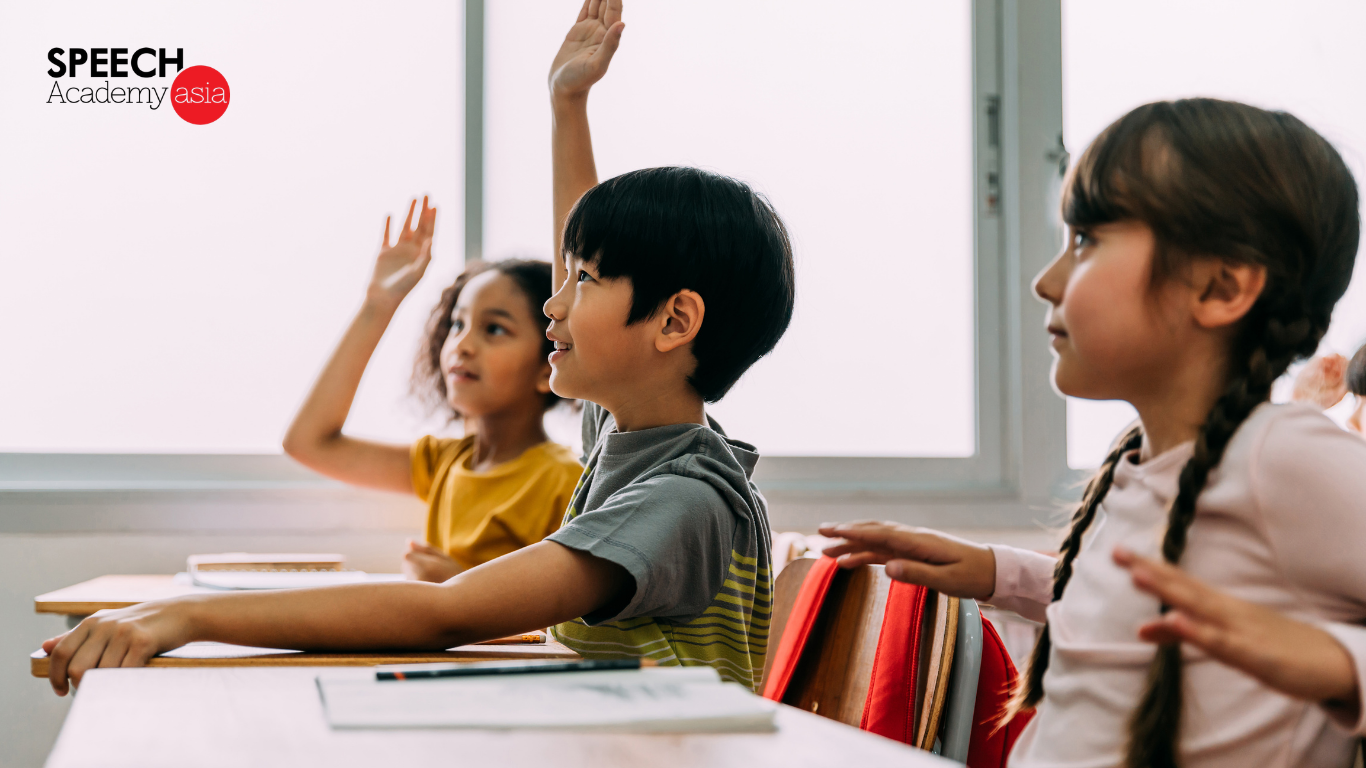
Communication skills are essential for children and teenagers as they grow, learn and interact with others. From answering questions in class to presenting ideas, making friends and expressing their opinions, children use communication skills every day.
Strong communication skills can help children express themselves clearly, listen actively and communicate with greater confidence. These abilities can also support them in school, social situations and future academic and professional settings.
But what exactly are communication skills, and how can parents help their children develop them?
What Are Communication Skills?
Communication skills refer to the ability to share ideas, thoughts and feelings clearly while understanding what others are communicating.
Effective communication involves more than simply speaking. It includes several important skills, such as:
- Verbal communication – expressing thoughts and ideas clearly through speech
- Active listening – paying attention and responding appropriately to others
- Non-verbal communication – using facial expressions, gestures, posture and eye contact
- Confidence – communicating without being afraid to share ideas or ask questions
- Clarity – organising thoughts so that messages are easy to understand
- Empathy – considering other people’s feelings and perspectives
- Adaptability – adjusting communication depending on the audience and situation
Developing these skills from a young age can give children a strong foundation for communicating effectively in different environments.
Why Are Communication Skills Important for Children?
Communication is part of almost every aspect of a child’s development.
1. Helps Children Express Their Ideas
Children often have interesting ideas but may struggle to put them into words. Practising communication skills can help them organise their thoughts and express themselves more clearly.
Whether they are explaining how they solved a problem, sharing an opinion or telling a story, being able to communicate their ideas effectively can help others understand them.
2. Builds Confidence
Speaking in front of others can feel intimidating, particularly for children who are naturally shy or hesitant.
Regular opportunities to speak, present and participate in discussions can help children become more comfortable expressing themselves. As they gain experience, they can develop greater confidence in their ability to communicate.
3. Supports Learning in School
Communication skills play an important role in the classroom.
Students may need to answer questions, participate in group discussions, give presentations or explain their thinking to teachers and classmates. Strong communication skills can help them participate more actively in these situations.
4. Strengthens Social Relationships
Communication is also important when children interact with their peers.
Knowing how to listen, take turns speaking, express feelings and respond respectfully can help children build positive relationships with friends and classmates.
5. Develops Leadership Skills
Good leaders need to communicate their ideas clearly while listening to others.
Children who learn how to present ideas, collaborate with others and speak with confidence can begin developing valuable leadership skills from a young age.
Communication Skills vs Public Speaking Skills
Communication skills and public speaking skills are closely connected, but they are not exactly the same.
Communication skills cover a broad range of everyday interactions, including conversations, listening, teamwork and expressing ideas.
Public speaking skills focus more specifically on communicating with an audience, such as during a presentation, speech, debate or hosting activity.
Public speaking practice can therefore be one effective way to strengthen communication skills. Children learn how to organise their thoughts, choose appropriate language, use their voice effectively and communicate with an audience.
7 Ways Parents Can Help Children Develop Communication Skills
Communication skills can be developed through simple activities at home and in everyday situations.
1. Encourage Family Discussions
Set aside time for your child to talk about their day, interests or opinions.
Instead of asking questions that only require a “yes” or “no” answer, try open-ended questions such as:
- “What was the most interesting thing you learned today?”
- “What do you think about it?”
- “What would you have done differently?”
This gives children opportunities to explain their thoughts in greater detail.
2. Practise Active Listening
Communication is a two-way process. Encourage children to listen carefully before responding.
You can teach them to:
- Maintain appropriate eye contact
- Avoid interrupting
- Ask relevant questions
- Summarise what someone has said
- Respond thoughtfully
These habits can help children become more attentive and effective communicators.
3. Read and Tell Stories
Reading provides children with exposure to new vocabulary, sentence structures and different ways of expressing ideas.
After reading a story, ask your child to explain what happened, describe their favourite character or suggest an alternative ending. This turns reading into an opportunity to practise speaking and comprehension.
4. Encourage Children to Share Their Opinions
Give children opportunities to express their thoughts, even when their opinions differ from yours.
Ask them to explain why they think something rather than simply giving an answer. This encourages them to support their ideas with reasons and communicate their thoughts logically.
5. Use Role-Play Activities
Role-play can make communication practice more engaging.
Children can pretend to be a teacher, news presenter, interviewer, tour guide or customer service representative. These activities allow them to practise speaking in different situations while building confidence.
6. Encourage Presentation Opportunities
Give your child small opportunities to speak in front of others.
They could give a short presentation about their favourite hobby, explain how to make something or share an interesting fact with the family.
Start with familiar topics and gradually introduce new situations as their confidence grows.
7. Give Constructive Feedback
When giving feedback, focus on specific behaviours rather than simply saying “good job”.
For example, you might say:
“I liked how you explained your reasons clearly. Next time, try speaking a little louder so everyone can hear you.”
Specific feedback helps children understand what they are doing well and what they can improve.
How Public Speaking Classes Can Develop Communication Skills
Structured public speaking programmes can provide children with regular opportunities to practise communication in a supportive environment.
Depending on the programme, students may participate in activities such as:
- Speech presentations
- Storytelling
- Group discussions
- Debates
- Role-playing
- Impromptu speaking
- Hosting and emceeing
- Interview practice
These activities can help students practise organising their thoughts, speaking clearly, listening to others and adapting their communication to different audiences.
At Speech Academy Asia, our programmes are designed to help children and teens develop communication and public speaking abilities progressively through structured activities and practice.
Communication Skills Are Skills for Life
Communication is not just a school skill. It is a life skill that children can continue developing as they grow.
Being able to express ideas clearly, listen to others, communicate confidently and respond appropriately can benefit children in the classroom, at home, with friends and eventually in their future studies and careers.
The earlier children have opportunities to practise these skills, the more comfortable they can become communicating in different situations.
Help Your Child Build Stronger Communication Skills
Looking for ways to help your child become a more confident communicator?
Speech Academy Asia offers public speaking programmes designed for children and teens, with activities that encourage students to speak, listen, think critically and communicate their ideas effectively.
Explore our programmes and discover how public speaking practice can help your child develop communication skills that last a lifetime.
👉 Book a Free Trial Class
📲 Call or WhatsApp: 9061 1715
📍 Visit Us: JEM, 52 Jurong Gateway Road, #06-01, Singapore 608550
📧 Email: info@speechacademyasia.com
Free Trial Registration
Empowering 10,000 Kids and Counting: Boost Your Child’s Confidence and Communication Skills with our Free Trial! Our Public Speaking programme builds vital public speaking and interview skills as well as your child's confidence. Equip your child with the ability to overcome stage fright, present themselves confidently and leave a lasting impression. Investing in these skills early can have immense long-term benefits! Register today!